
Starling House
A review of Alix E. Harrow's 2023 gothic fantasy novel

Alix E. Harrow's Starling House is the kind of book I'd like to write. It's the perfect escape, one that leaves you feeling more connected and grounded than before you started it. It reminds you of what really matters and why it's worth fighting for, and steels you to stand up to bullies because it's the right thing to do.
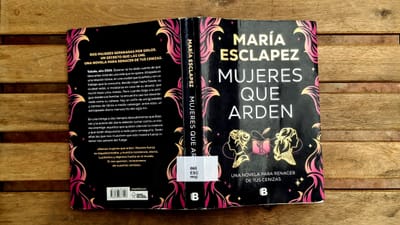
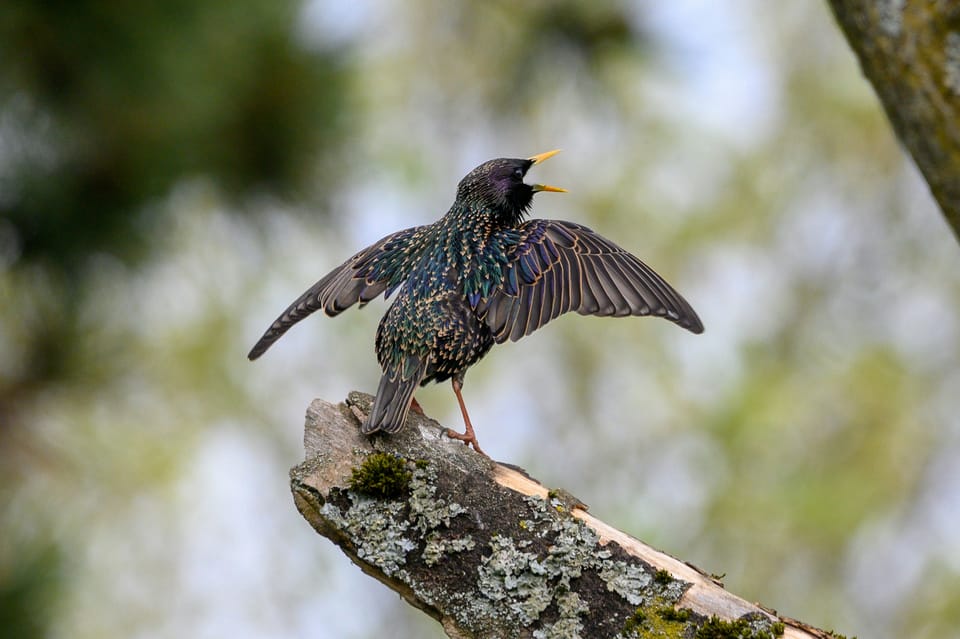
I picked up Starling House in the small English-language section at an independent bookstore in Granada. Most of the bookstores here have a random-seeming selection of English literature, which has helped me recapture some of the magic I felt as a kid when unearthing a potential treasure at my local library. It's the first novel of Harrow's that I've read, and I partially chose it for the colourful starlings and old keys on the cover, as well as Rovina Cai's haunted black and white illustrations placed throughout. The novel promised a sentient house, a brooding owner and a strong yearning for home: it did not disappoint.
Starling House made me cry in the best way – a release of gratitude for home and found family, which are themes I've been mulling over while building this life on the other side of the world. I also felt for these characters trying their best to do the right thing while surviving. They've built cynical shells to shield their vulnerable parts from the arrows of the world, but sometimes the shells we erect to protect ourselves end up hurting us more because they isolate us.
This novel is about the stories we tell ourselves to survive, and the breakthroughs that changing the perspective (or asking for help in the telling) can bring. Harrow clearly loves language, and I felt like an ecstatic pig in mud rolling about in her prose. As Opal, the narrator, starts to uncover the secrets of Starling House, different characters share their version of its history based on their own intentions, biases and place in time. As with any good story, each version contains a kernel of truth, but is missing key information.
I enjoyed how often the characters are aware of the lies they're telling themselves, even as they double down (often for the right reasons). There's a sense that the story could have played out differently – there's no fate here, only fallible people making the best choices they can given the options they perceive at the time. I love how this story doesn't equate physical beauty (or whiteness) with goodness – it sees through to the gristle underneath. Spending time with these characters – for all their mistakes – encouraged me to let the people who make me feel like I'm home know how appreciated they are.
I'll be rereading this novel, to better appreciate the language and submerge myself deeper into its layers. This story reminds us to ask for help when we need it, but also not to assume the needs of others. Bad things will happen, but a strong partnership makes them easier to bear. Potential allies are more plentiful than we imagine when we're at our lowest.
I realise I haven't given you a traditional summary of the plot or the characters, and I'm inclined not to so you can discover them for yourself. If you like magic, sentient houses, found family, love that changes you, transformation and the power of dreams, I recommend that you read this book.
Sketches from Granada celebrates every-day moments of connection with strangers, friends and ourselves. I know how easy it is not to be present in your own life, and I hope these sketches inspire you to seek out those moments that are worth savouring.
If this post resonated with you, please share it with a friend you think might appreciate it too!
Become a subscriber to receive my newsletters directly in your inbox.
Member discussion